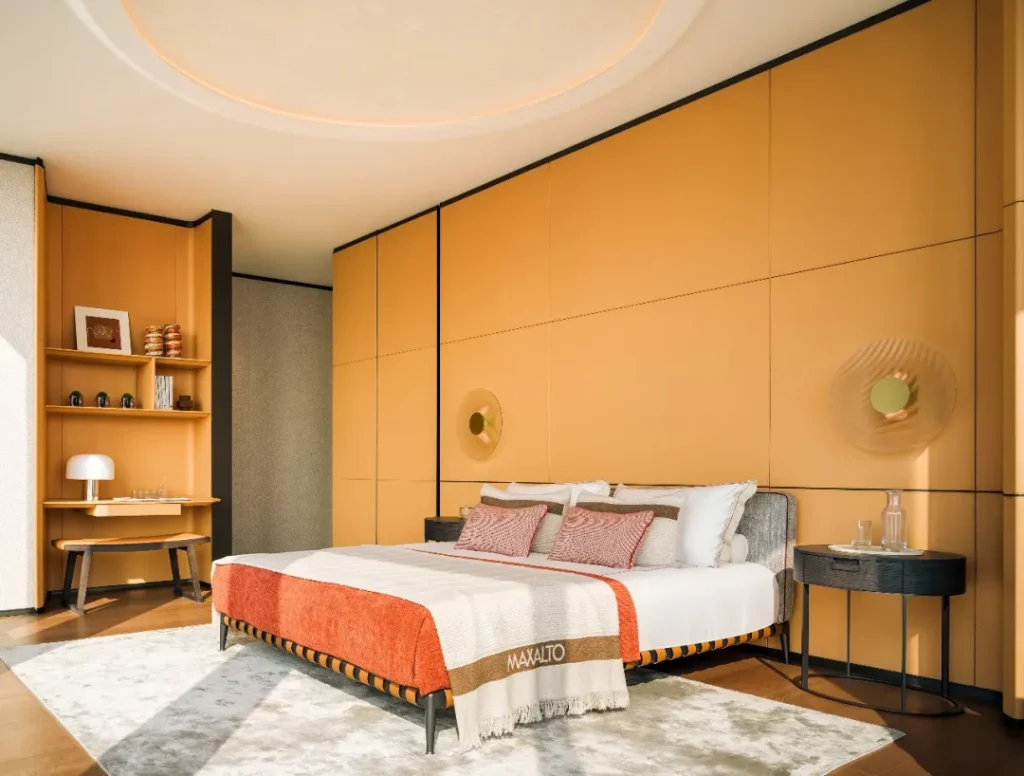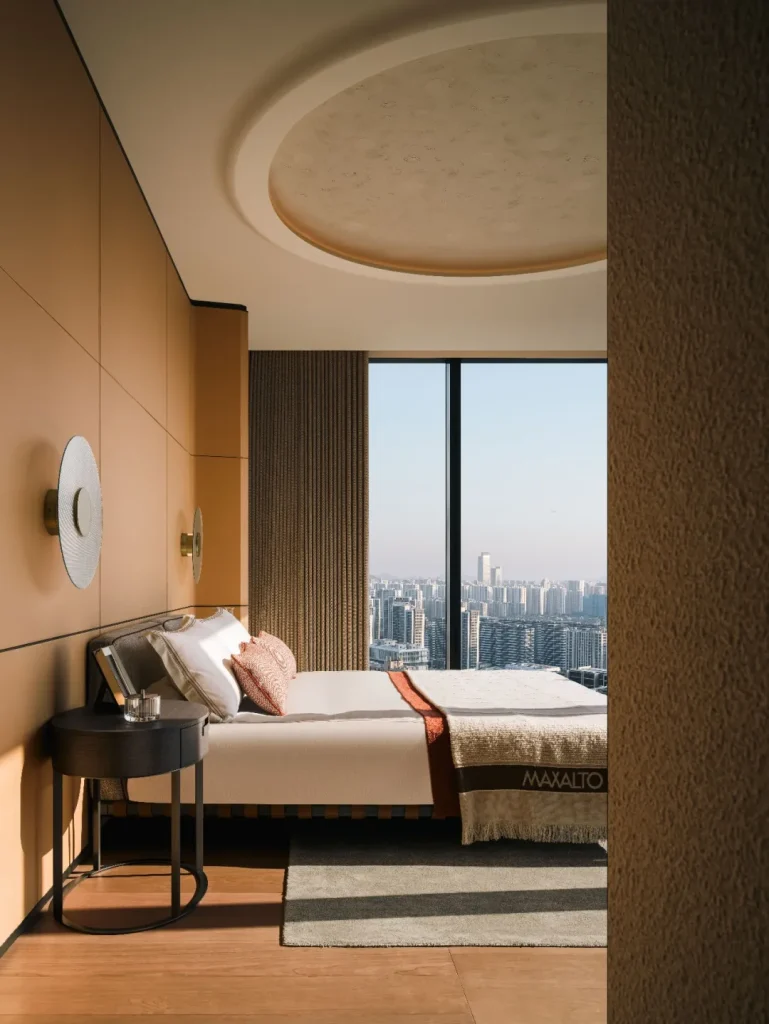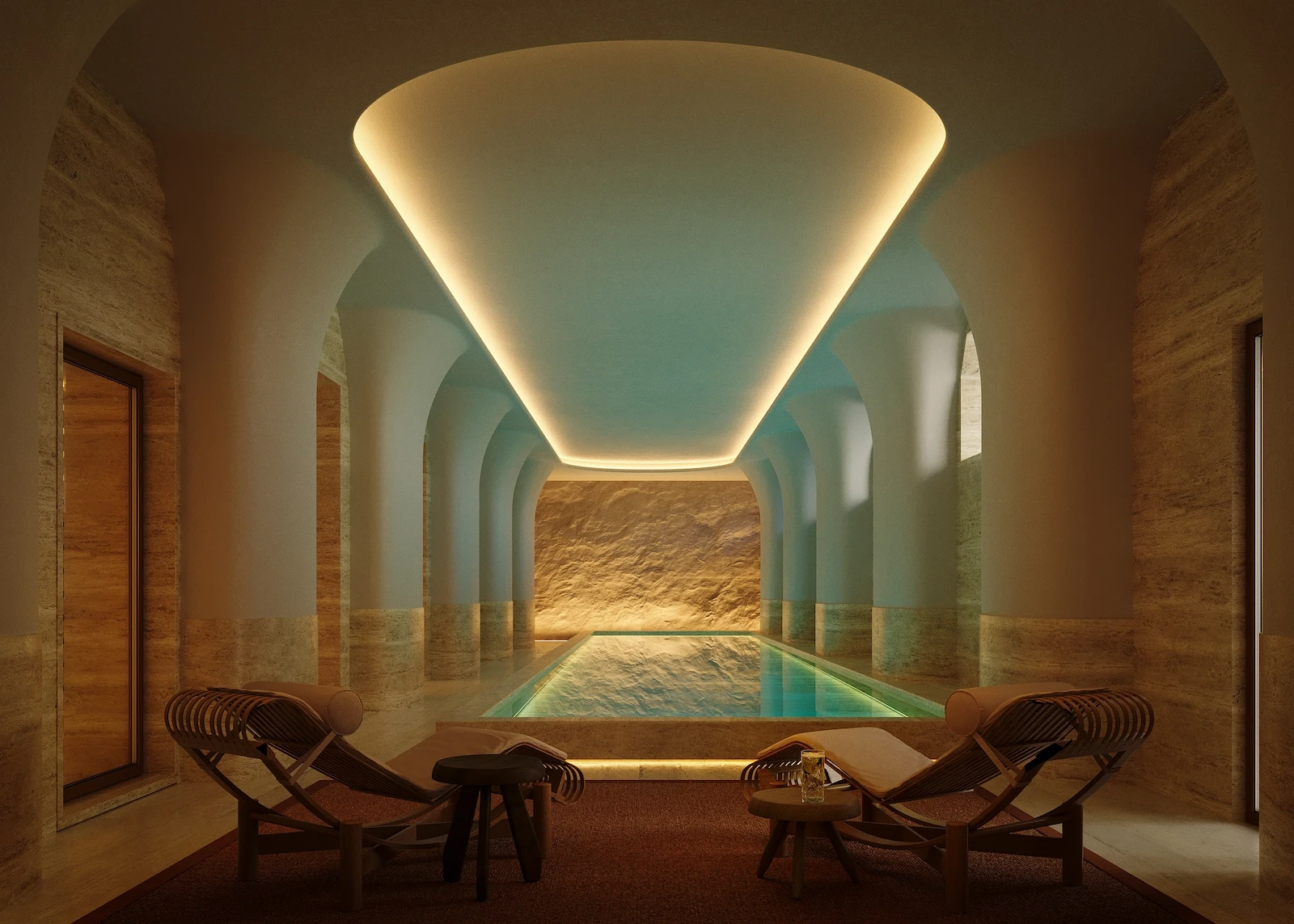
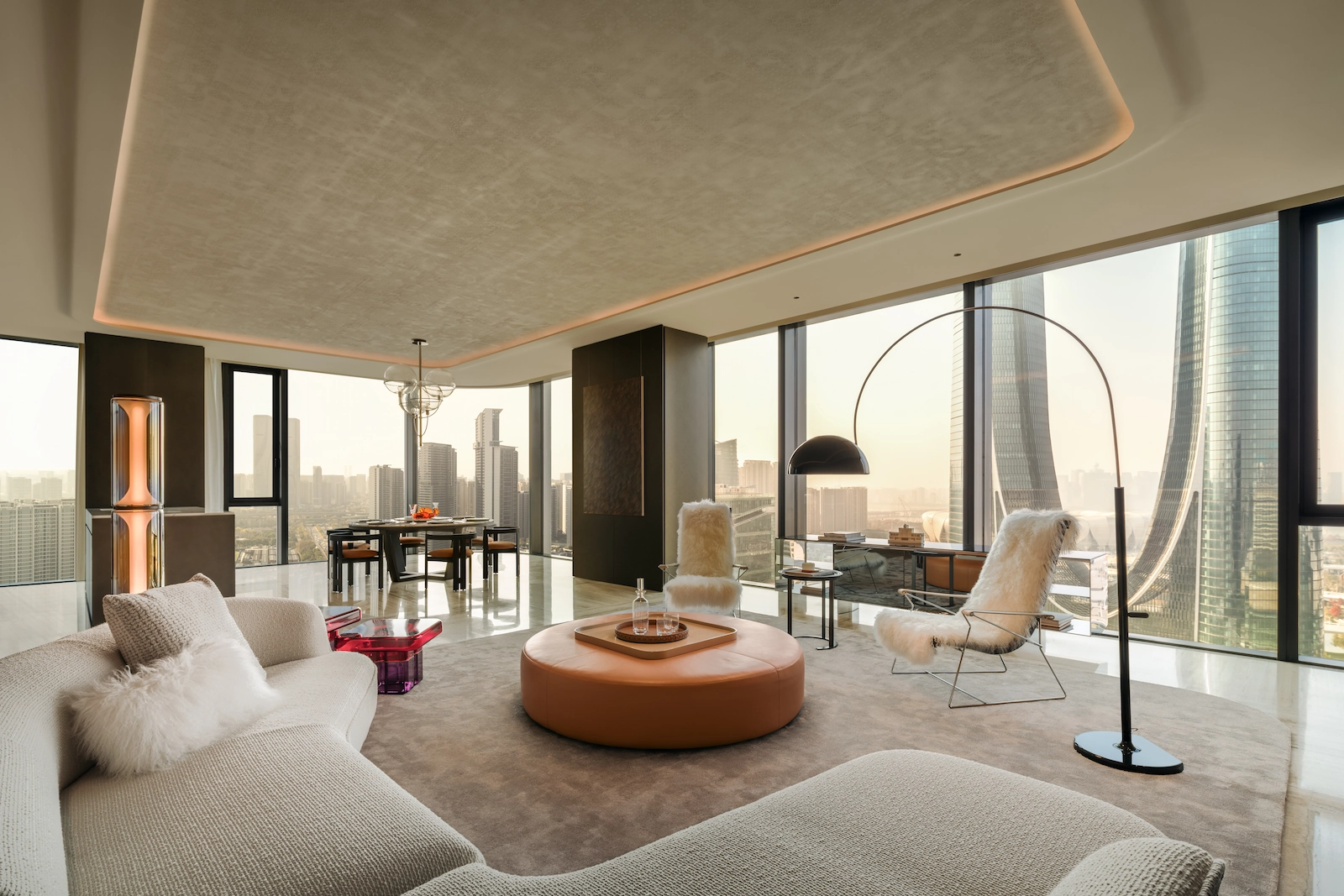
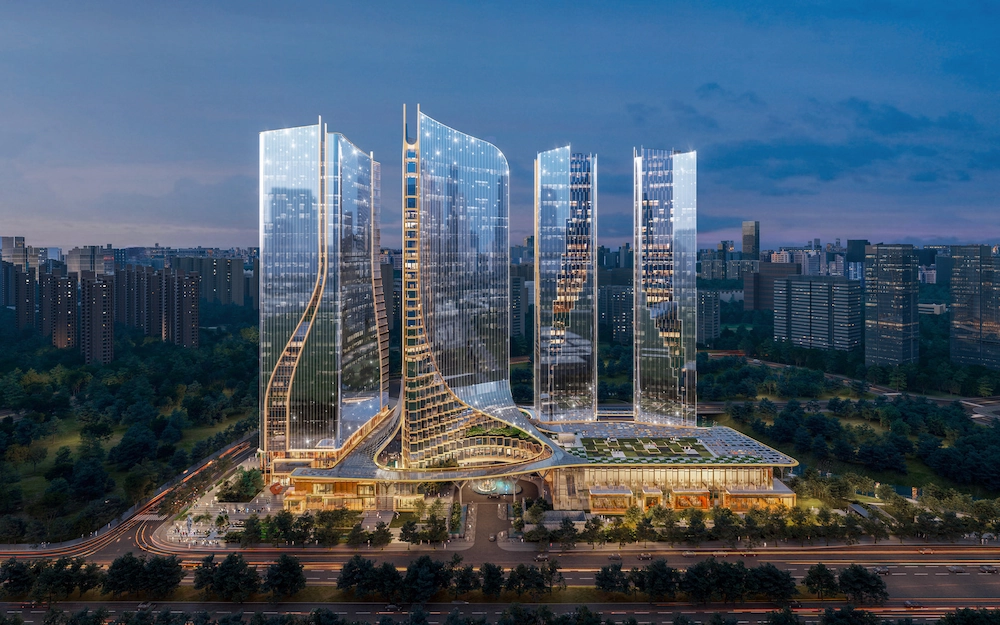
Located within the landmark Hangzhou Hiwell Amber Center—a 260,000-square-metre mixed-use urban development—the Antonio 370 showflat is conceived as a refined expression of contemporary urban living. The project forms part of a broader ecosystem shaped by an international roster of designers, including UNStudio (architecture), JTL Studio (landscape), bpi (lighting), MDO (office design), CCD (public lobbies), YU Studio (clubhouse), and Layan Architects (Andaz hotel). Within this context, ACPV ARCHITECTS Antonio Citterio Patricia Viel approach the 370-square-metre residence as both a standalone interior and a continuation of a larger architectural narrative, where spatial coherence extends across scales.
Over the past decade, Hangzhou’s luxury residential sector has shifted from scale and visibility toward precision and inhabitation.
The emphasis is no longer on demonstrative grandeur, but on spatial quality, privacy, and long-term usability. Within this context, the showflat positions itself not as an aspirational spectacle, but as a calibrated response to a clientele increasingly attuned to proportion, material integrity, and everyday comfort.
The designer’s intervention introduces a distinctly Italian design methodology while engaging with local patterns of living. Rather than applying stylistic motifs, the project translates principles—clarity of layout, hierarchy of space, and integration of architecture and furniture—into a framework that can accommodate Chinese domestic habits. This approach avoids superficial “fusion,” instead constructing a dialogue between two design cultures at the level of use and perception.
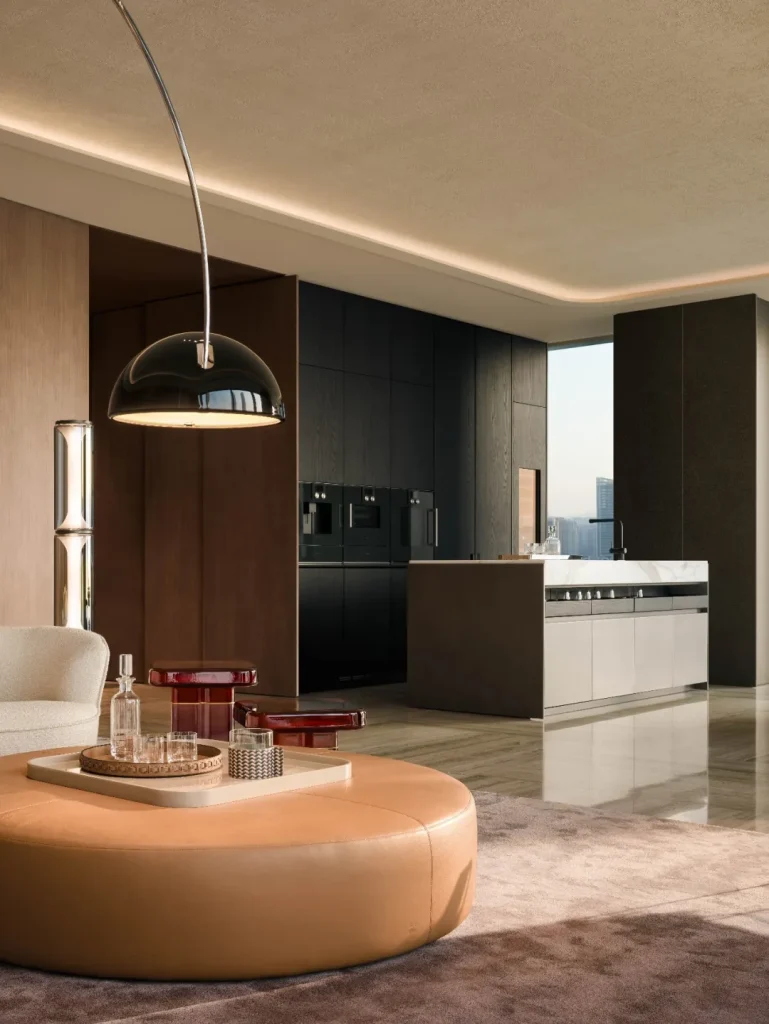
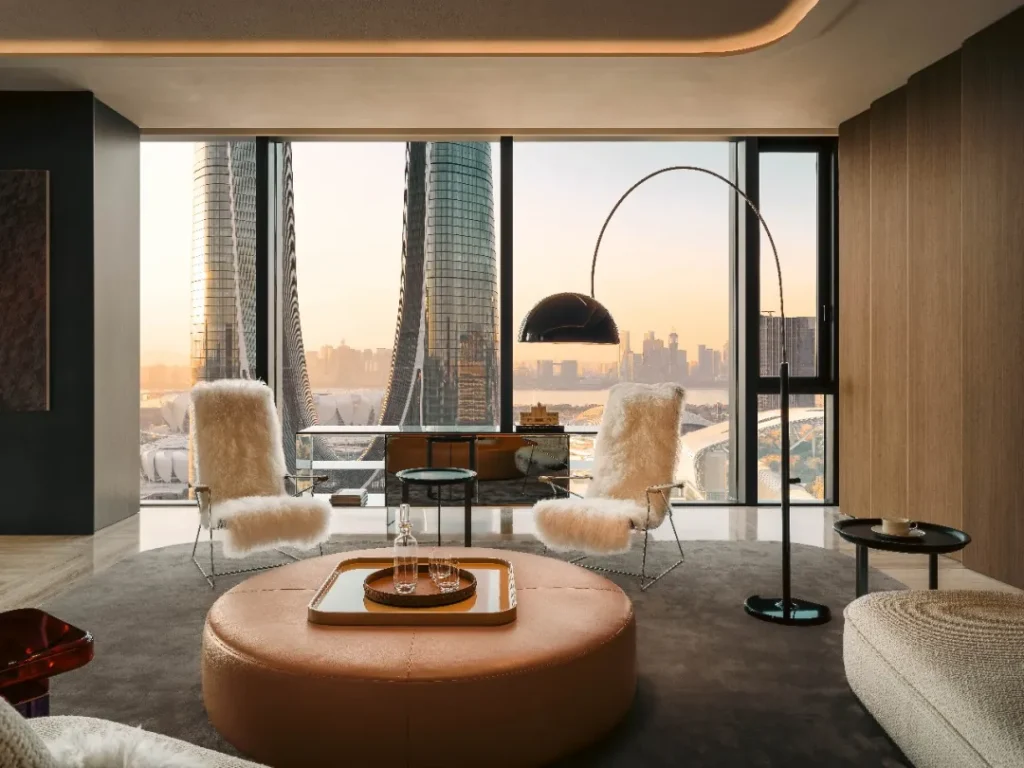
The spatial organisation reflects this negotiation. Open-plan areas are balanced with moments of enclosure, allowing for both social hosting and more introspective routines—an important consideration in contemporary Chinese urban life. Circulation is softened, boundaries are implied rather than fixed, and the overall composition privileges continuity over segmentation, aligning with a growing preference for fluid yet controlled environments.
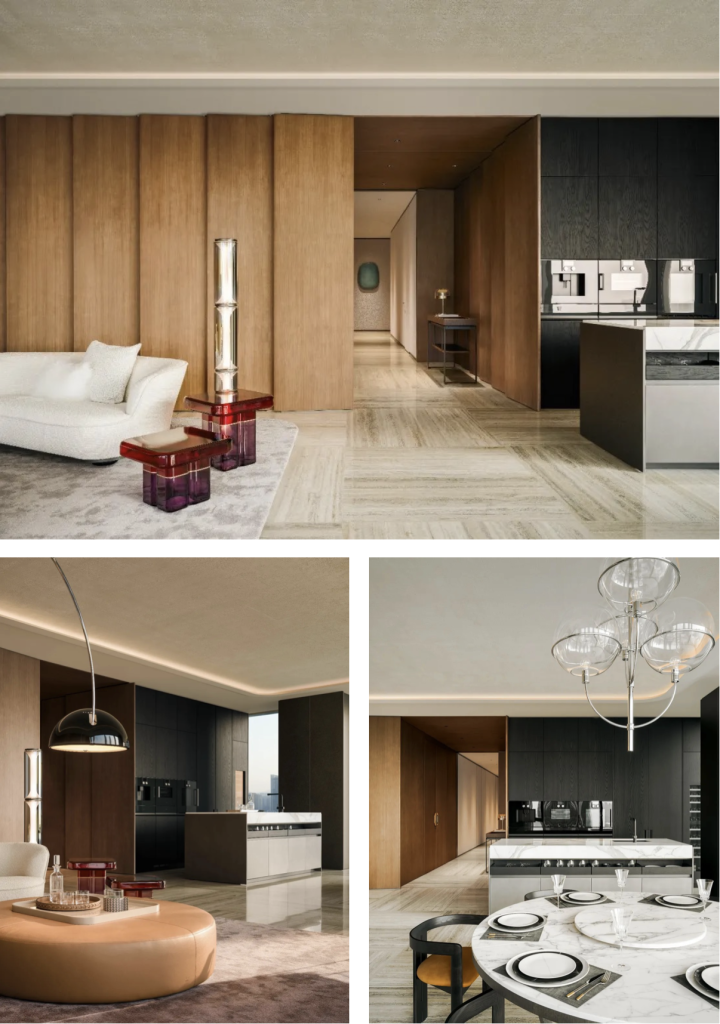
Material restraint further reinforces this position. Marble, wood, and neutral finishes are deployed with precision, allowing texture and proportion to carry the visual weight. In doing so, the project aligns Italian notions of understated luxury with a Chinese sensibility that increasingly values subtlety over ornament. The result is not a hybrid aesthetic, but a shared language of refinement—one that reflects the broader maturation of Hangzhou’s luxury housing market.